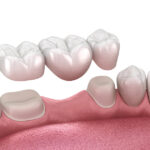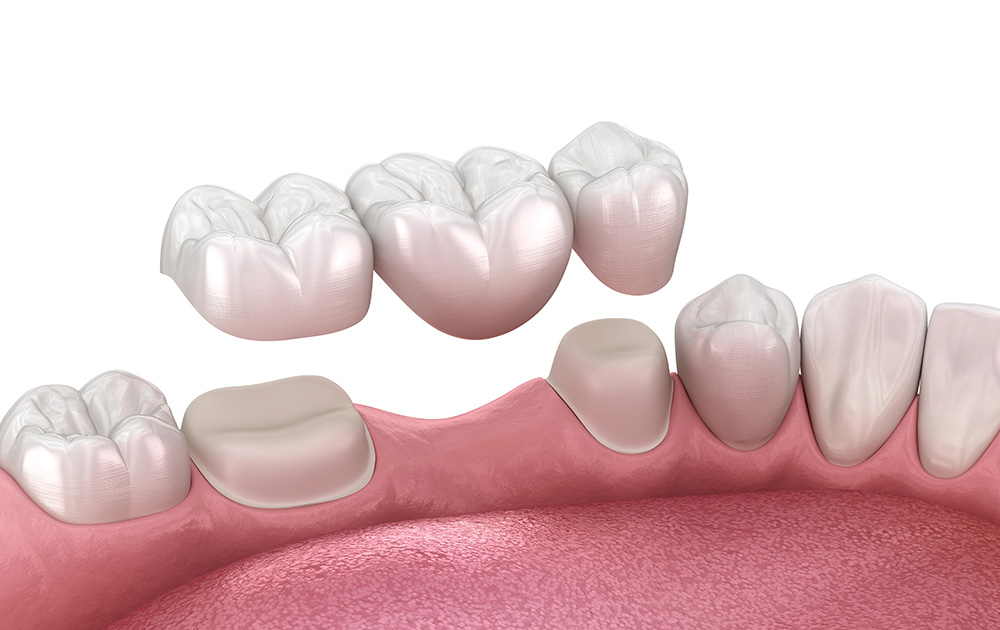
Dental crowns have long been a cornerstone of restorative dentistry. Used to repair and protect damaged teeth, crowns restore not only functionality but also appearance. Traditionally, patients had to endure long waits, multiple appointments, and uncomfortable impressions. Today, however, advanced tools like CEREC technology have transformed this process. The evolution of dental crowns has been a journey from manual craftsmanship to high-tech precision — making the patient experience faster, more comfortable, and more reliable than ever.
The Traditional Approach: Artistry and Time
In the past, the process of getting dental crowns could span several weeks. Dentists would begin with a physical impression of the tooth using a tray filled with putty-like material. This step often triggered discomfort or even a gag reflex in patients. Afterward, the mold would be sent to a dental lab where a skilled technician would craft the crown by hand — a meticulous and time-consuming process.
Once the crown was ready, patients had to return for a second visit to have it fitted and cemented. If the fit or color wasn’t perfect, further adjustments or even a remake were needed, extending the treatment time. Although the final results were often effective, the process was labor-intensive and left room for human error.
A Digital Revolution: CAD/CAM and Beyond
The first significant leap in dental crowns came with the introduction of CAD/CAM (Computer-Aided Design/Computer-Aided Manufacturing) systems. This technology brought computer precision into the dental world. Digital scanners began to replace traditional impression materials, allowing for more accurate imaging of a patient’s teeth.
CAD/CAM software could then design a virtual model of the crown, which could be milled from ceramic blocks by computer-guided machines. This greatly improved both the speed and precision of crown production. Although initially limited to dental laboratories, this technology laid the groundwork for in-clinic innovation — most notably, the advent of CEREC technology.
CEREC Technology: A Game-Changer
Short for Chairside Economical Restoration of Esthetic Ceramics, CEREC technology has redefined the crown-making process. With CEREC, patients can now receive custom-made dental crowns in a single visit — often within just a couple of hours. Here’s how it works:
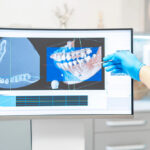
1. Digital Imaging: A small camera scans the affected tooth, creating a highly accurate 3D model — eliminating the need for messy impressions.
2. Design Software: The dentist uses CEREC’s software to design the crown on-screen, ensuring perfect shape, bite alignment, and aesthetics.
3. In-House Milling: A milling unit located right in the dental office carves the crown from a ceramic block based on the design.
4. Immediate Placement: After some finishing touches and color adjustments, the crown is polished, bonded, and fitted — all in one visit.
The entire process is streamlined, efficient, and much more comfortable for the patient.
Benefits of Modern Crown Technology
Thanks to innovations like CEREC technology, the experience of getting dental crowns is more patient-friendly and efficient. Some key benefits include:
- Time Savings: Single-visit crowns eliminate the need for temporary restorations and follow-up appointments.
- Accuracy: Digital impressions are more precise, reducing the risk of ill-fitting crowns and the need for remakes.
- Comfort: No more goopy molds or temporary crowns that can fall off or irritate gums.
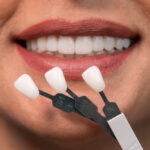
- Aesthetics: Ceramic materials closely mimic the natural appearance of teeth, and color can be customized chairside.
- Durability: CEREC crowns are strong and long-lasting, capable of withstanding normal biting and chewing forces.
The Role of Artificial Intelligence and Future Developments
Beyond CEREC, the next wave of technology in dental crowns involves artificial intelligence (AI) and machine learning. AI-driven systems can now help detect decay, suggest optimal crown designs, and even predict long-term outcomes. Integration with intraoral scanners and cloud-based platforms allows dentists to collaborate seamlessly with labs and specialists across the globe.
In the near future, we may also see biocompatible materials that better integrate with natural tissues, or even smart crowns embedded with sensors to monitor bite pressure and oral health in real time.
A New Era of Dental Restoration
The journey of dental crowns — from hand-crafted restorations to computer-designed masterpieces — is a testament to how far dentistry has come. What was once a multi-week ordeal is now a same-day, high-precision solution, thanks in large part to CEREC technology.
This evolution not only enhances clinical efficiency but also transforms the patient experience. In a world where time and comfort matter more than ever, modern crown technologies offer a blend of convenience, function, and aesthetics that was unimaginable just a few decades ago.
As dental technology continues to evolve, so too will the possibilities for restorative care — making smiles healthier, faster, and more beautiful with each innovation.