Most people assume that oral health is a matter of brushing, flossing, and scheduling the occasional check-up. Yet behind every delayed appointment, every sudden toothache ignored until it becomes unbearable, and every smile hidden behind a closed lip lies a silent force shaping the state of our mouths: anxiety. Dental fear is not merely an inconvenience — it is one of the most significant barriers to preventive care. And unlike plaque or sugar, it isn’t something you can rinse away. It embeds itself in memory, emotion, and expectation.
For countless individuals, dentistry is not a clinical setting — it’s a battlefield of vulnerability. The sound of the drill isn’t just noise; it’s a trigger. The reclining chair isn’t comfort; it’s surrender. And so avoidance becomes protection. But protection has consequences.
Left untreated, oral health spirals silently. A minor cavity becomes an infection, gum inflammation becomes bone loss, simple fillings escalate into extractions or implants. While modern dentistry has evolved to prevent these outcomes with regular monitoring and early intervention, that evolution means little if patients do not — or cannot — walk through the door.
Here lies the paradox: we live in an era where most dental diseases are preventable, yet the very people who need preventive care the most are often too frightened to receive it.
When Fear Becomes a Co-Pilot
Unlike physical ailments, dental anxiety is not visible on X-rays. It does not show up in lab results. Yet its footprint is unmistakable. Studies show that patients with high dental fear are more likely to seek emergency treatment rather than routine care. They wait until the pain outweighs the fear, which means treatment becomes more invasive, more expensive — and unfortunately, sometimes even more traumatic, reinforcing the anxiety further.
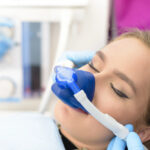
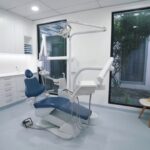
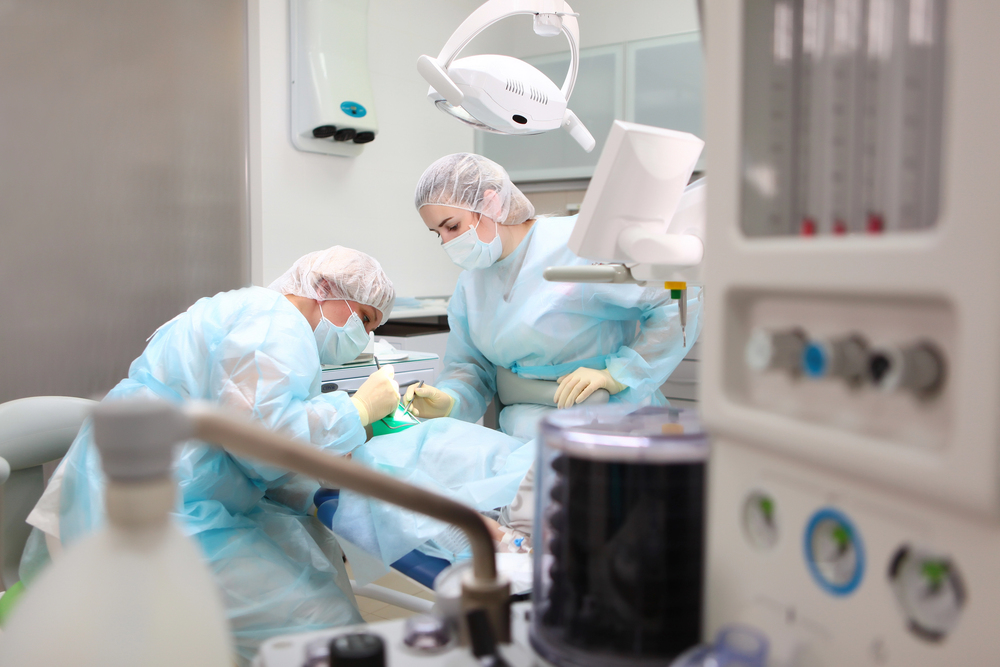
Many people avoid essential dental care due to deep-seated fears and bad past experiences, but modern sleep dentistry is changing that narrative. Rather than enduring stress and discomfort, patients can now receive treatment while fully relaxed, allowing complex procedures to be completed with ease. With sleep dentistry, even the most anxious individuals regain control over their oral health without reliving old traumas. It’s not just about comfort — sleep dentistry offers a compassionate bridge between fear and wellness, helping patients say goodbye to panic and hello to peaceful care.
Sleep Dentistry: A Bridge, Not an Escape
Critics sometimes argue that sleep dentistry avoids the root of the problem rather than solving it. But this perspective misses the heart of its power. Sleep dentistry is not about evading fear — it is about enabling trust. When a patient experiences treatment without trauma, the brain begins to rewrite its associations. The whirlwind of panic becomes manageable. The chair becomes safe territory.
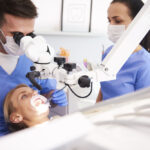
More importantly, dental anxiety can be overcome with an empathic dentist. Sedation alone is not enough — it must be paired with presence. A dentist who explains, listens, and never dismisses fear holds more healing power than any anesthetic. For some, sleep dentistry is the first step. For others, it is a temporary lifeline until confidence grows.
Imagine a patient who has avoided care for ten years finally agreeing to treatment under sedation. Their long-neglected teeth are cleaned, restored, and stabilised — not in panic, but in peace. They leave not only with a healthier mouth but a new narrative: Maybe dentistry isn’t something to fear after all.
That shift — from avoidance to agency — is where prevention thrives.
Prevention Means Meeting People Where They Are
Modern dentistry must stop treating anxiety as an obstacle and start treating it as a vital clinical factor. Fear is not irrational; it is experiential. Many adults with dental phobia can trace their anxiety back to childhood encounters where pain was dismissed, where consent was not asked, where their discomfort was treated as an inconvenience rather than a warning sign.
Sleep dentistry, combined with trauma-informed communication, gives patients control they may have never felt before. It says: You don’t have to be brave. You just have to be here. And sometimes, that’s enough.
The Future of Oral Health Is Emotional
We often speak of dentistry in terms of science, but its success depends largely on psychology. Prevention is not merely technical — it is relational. If we want people to prioritise their oral health, we must first acknowledge the barrier guarding the door.
Anxiety is not a weakness. It is the mind’s attempt to protect itself. But protection does not have to equal paralysis.
Sleep dentistry is not a shortcut. It is an invitation — an invitation to heal on both sides of the gumline. And as more patients discover that dental anxiety can be overcome with an empathic dentist, the stigma of avoidance will give way to a new understanding: bravery is not walking in without fear. Bravery is walking in despite it — even if you sleep through the appointment.
Because in the quiet hum of sedation, beneath the soft glow of the operating light, something profound happens. Teeth are restored. Health is preserved. And for the first time in years, fear finally loosens its grip.
That is not just dental work. That is transformation.
And it starts with one calm breath — or one peaceful sleep.