In recent years, dental implants have emerged as the gold standard for replacing missing teeth. Their stability, durability, and natural appearance make them a top choice for both patients and dentists. But today, the field is undergoing a profound transformation—thanks to digital design technologies, implants are becoming more personalized than ever. This shift toward tailored solutions represents one of the most exciting developments among the latest trends in restorative dentistry.
The Evolution of Dental Implants
Traditionally, dental implants followed a somewhat standardized approach. While effective, the methods often required longer treatment times, more invasive procedures, and a trial-and-error mindset in achieving ideal aesthetic results. With the integration of digital design, however, the process has become faster, more accurate, and deeply personalized to each patient’s anatomy.
These innovations aren’t just cosmetic. A tailored implant fit means better osseointegration (the bond between the implant and bone), reduced healing time, and fewer complications. Patients benefit from greater comfort and more predictable outcomes, making personalized dental implants a significant leap forward in patient-centered care.
Digital Design: The Game Changer
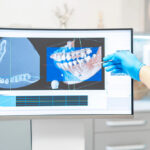
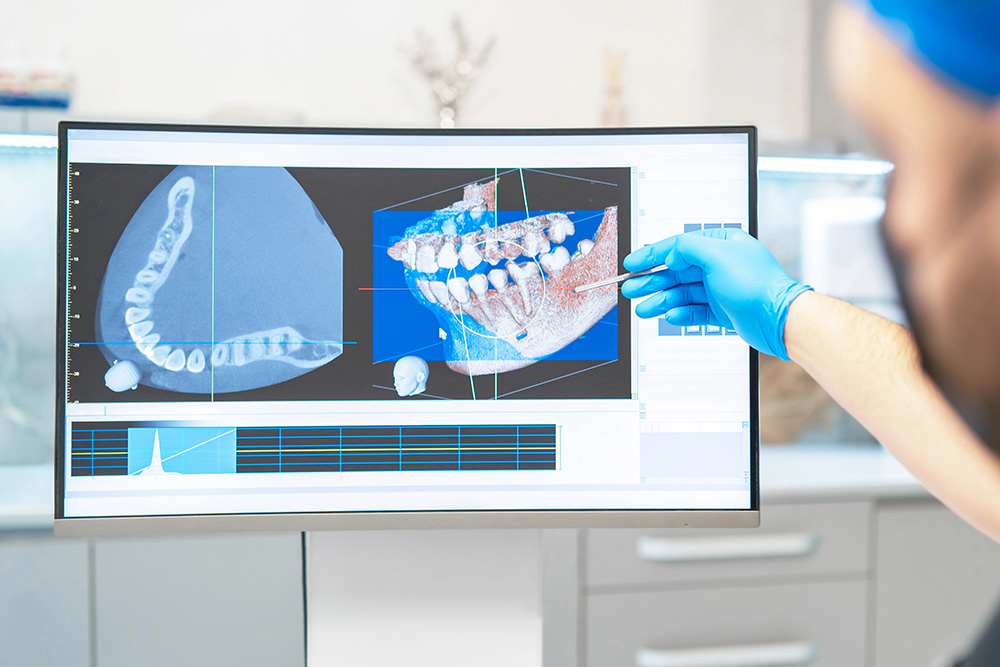
Digital design tools are revolutionizing every phase of dental implant treatment. Using intraoral scanners, dentists can now capture highly accurate, 3D representations of a patient’s mouth in seconds. Gone are the days of messy impression materials—digital scans provide more detail and improve communication between dentists, dental technicians, and patients.
Once the scan is captured, advanced CAD (Computer-Aided Design) software is used to plan every detail of the implant placement. The virtual model allows clinicians to visualize how the implant will sit within the jawbone, assess soft tissue interaction, and anticipate any anatomical challenges. This level of precision drastically reduces the margin for error and ensures that the final restoration not only looks great but functions perfectly.
3D Printing and Customization
Among the latest trends in implantology is the use of 3D printing to produce surgical guides and even custom implant components. These guides help dentists place implants with pinpoint accuracy based on the pre-designed plan. This translates into shorter surgeries, less discomfort, and faster recovery for patients.
Additionally, 3D printing allows for the fabrication of customized abutments and crowns that match the patient’s natural teeth in shape, color, and contour. With personalization at this level, even complex restorations can appear seamless, giving patients renewed confidence in their smile.
AI and Predictive Planning
Artificial intelligence is now playing a supporting role in treatment planning. By analyzing vast amounts of data from past implant cases, AI-powered systems can help predict outcomes, suggest optimal implant placement, and even anticipate potential complications before they arise. This predictive power is particularly valuable in full-mouth restorations or cases with limited bone density.
As part of the latest trends, AI-driven planning is making it easier for clinicians to deliver consistently high-quality results, especially in practices that focus on high-volume implant work.
Better Communication, Better Results
Digital workflows also improve collaboration between dentists and their dental laboratories. Since everything is based on precise digital scans and models, labs can produce restorations that fit perfectly the first time. Patients benefit from fewer appointments, less chair time, and enhanced outcomes. Moreover, these digital records can be stored and reused if future dental work is needed, creating a more comprehensive long-term treatment plan.
Patient Experience and Satisfaction
From a patient perspective, the rise of personalized dental implants means shorter treatment timelines and a better overall experience. Many people are surprised by how minimally invasive modern implant procedures can be when guided by digital planning. Same-day implants are now a reality in many clinics, allowing patients to walk out with a new smile in a single visit.
Additionally, patients can view digital mock-ups of their new teeth before the procedure even begins. This level of transparency builds trust and allows for shared decision-making, empowering patients to be more involved in their care.
Sustainability and Efficiency
Digital dentistry is also proving to be more sustainable. It reduces waste from traditional impressions and cuts down on the need for multiple shipping cycles between clinics and labs. The efficient use of materials and time aligns with the growing demand for environmentally conscious healthcare.
As dental technology continues to evolve, we can expect even greater advancements in personalized dental implants. Bioengineered materials, augmented reality tools for surgical planning, and smarter AI systems are all on the horizon. These innovations promise to further refine accuracy, speed, and personalization, ensuring that dental implants remain at the forefront of modern dentistry.
The integration of digital design into dental implantology is not just a technological upgrade—it’s a paradigm shift. By embracing these latest trends, dental professionals can offer more personalized, efficient, and satisfying treatments to their patients. Personalized dental implants, guided by digital precision, are setting a new standard in tooth replacement—one smile at a time.